
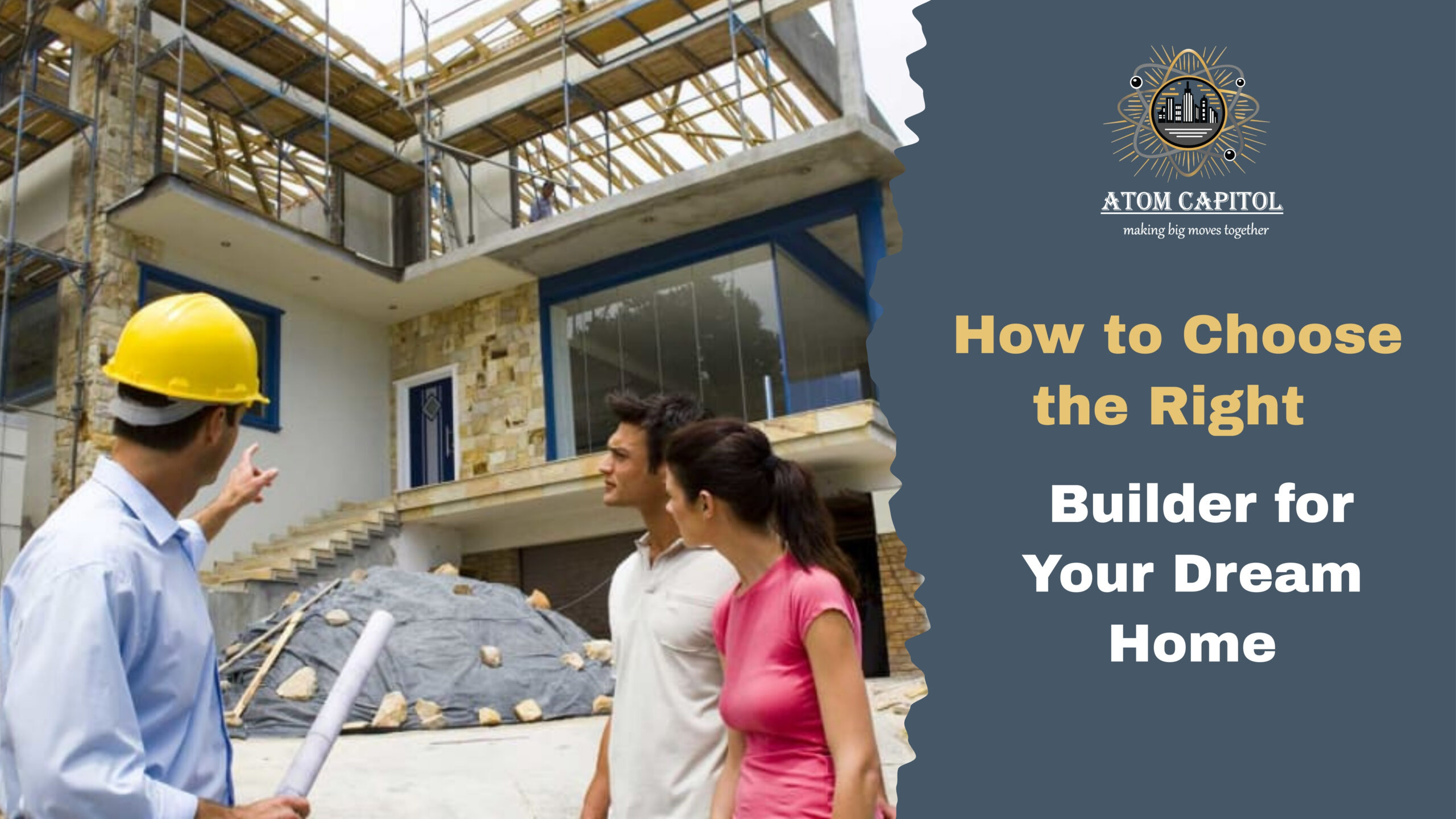
The Ultimate Guide: How to Choose the Right Builder for Your Dream Home
Choosing the right builder for your dream home is a critical and powerful decision that directly impacts quality, cost, and peace of mind. An excellent builder goes beyond basic construction—they combine proven technical expertise, reliable project management, and transparent communication to deliver results you can trust. Understanding what truly separates top-rated builders from average ones is the smart first step toward building a home that meets your expectations without costly surprises.
Building your dream home is one of the most exciting and important decisions you’ll ever make. However, how to choose the right builder for your dream home can feel overwhelming with so many options available. The builder you select will directly impact the quality, timeline, and overall experience of creating your perfect home. This comprehensive guide will walk you through key tips for choosing the right builder to ensure your home construction journey is smooth and successful.
Understanding What Makes a Good Builder
When you start choose the right builder for your dream home, it’s important to understand what separates excellent builders from average ones. A quality builder brings together technical expertise, reliable project management, and strong communication skills.
Experience and Specialization
The best builders have years of experience in residential construction and often specialize in specific home styles or price ranges. Look for how to Choose the Right Builder for Your Dream Home who have constructed homes similar to what you envision. A builder who specializes in luxury custom homes might not be the best fit if you’re looking for an affordable starter home, and vice versa.
Consider builders who have experience with:
- Your desired home style (contemporary, traditional, ranch, etc.)
- Your budget range
- Your lot type and local building conditions
- Energy-efficient or sustainable building practices if important to you
Local Market Knowledge
Builders with strong local knowledge understand area building codes, permit processes, and weather considerations. They have established relationships with local subcontractors, suppliers, and inspectors, which can lead to smoother project execution and potentially better pricing.
Research and Initial Steps
Starting your search for the right builder requires systematic research. Begin by gathering information from multiple sources to create a comprehensive list of potential candidates.
Online Research and Reviews
Start with online platforms like Google Reviews, Better Business Bureau, and local home builder associations. Pay attention to both positive and negative reviews, focusing on how builders respond to criticism and resolve issues.
Look for builders who:
- Maintain active, professional websites
- Showcase recent projects with detailed photos
- Provide clear contact information and company details
- Have consistently positive reviews over time
Word-of-Mouth Recommendations
Personal recommendations from friends, family, and neighbors who have recently built homes can provide valuable insights. Real estate agents, architects, and building suppliers often know which builders deliver quality work and maintain good reputations.
Ask specific questions when gathering recommendations:
- Was the project completed on time and within budget?
- How was the communication throughout the process?
- Were there any major issues, and how were they resolved?
- Would they use the same builder again?
Evaluating Builder Credentials
Proper licensing and insurance are non-negotiable requirements when choosing a builder for your dream home. Never work with unlicensed contractors, regardless of how competitive their pricing might seem.
Licensing and Certifications
Verify that potential builders hold current licenses required in your state and local area. Many states have online databases where you can check license status and view any complaints or violations.
Additional certifications to look for include:
- National Association of Home Builders (NAHB) membership
- Local builder association memberships
- Energy efficiency certifications (ENERGY STAR, etc.)
- Specialty certifications relevant to your project
Insurance Coverage
Request proof of current insurance coverage, including:
- General liability insurance
- Workers’ compensation coverage
- Builder’s risk insurance
- Professional liability insurance
Proper insurance protects you from liability if accidents occur on your property during construction and ensures you won’t be responsible for medical bills or property damage.
Financial Stability
A builder’s financial health affects their ability to complete your project. Request financial references and consider working with builders who have been in business for several years and have completed multiple projects recently.
Warning signs of financial instability include:
- Requests for large upfront payments
- Unwillingness to provide financial references
- Recent bankruptcy filings
- Multiple liens filed against the company
Financial Considerations
Understanding the financial aspects of working with different builders helps you make informed decisions and avoid costly surprises.
Pricing Structure and Transparency
Quality builders provide detailed, written estimates that break down costs for materials, labor, permits, and other expenses. Be wary of builders who provide only verbal estimates or vague pricing.
Compare estimates carefully, noting:
- What’s included and excluded in the base price
- How change orders will be handled and priced
- Payment schedule and terms
- Warranty coverage and duration
Budget Management
The best builders help you stay within budget by providing accurate estimates and managing costs throughout construction. They should be upfront about potential cost overruns and work with you to make value-based decisions when changes are necessary.
Payment Schedules
Reputable builders typically request payment based on completion milestones rather than large upfront payments. Common payment schedules tie payments to specific construction phases like foundation completion, framing, roofing, and final completion.
Never pay large sums upfront or agree to payment schedules that put you significantly ahead of completed work.
Communication and Project Management
Effective communication separates good builders from great ones.How to Choose the Right Builder for Your Dream Home means finding someone who keeps you informed and involved throughout the process – How to Choose the Right Builder for Your Dream Home
Communication Style and Availability
During initial meetings, assess how well builders communicate. Do they listen to your ideas and concerns? Do they explain technical concepts in terms you understand? Are they responsive to phone calls and emails?
Establish communication expectations upfront:
- How often will you receive project updates?
- What’s the preferred method of communication?
- Who is your primary point of contact?
- How are decisions and changes communicated and documented?
Project Management Systems
Professional builders use project management systems to track progress, schedule subcontractors, and manage timelines. Ask about their project management approach and whether they provide clients with access to scheduling and progress information.
Modern builders often use:
- Digital project management platforms
- Regular photo updates of construction progress
- Online portals for document sharing and communication
- Scheduled site meetings and walkthroughs
Quality and Craftsmanship Assessment
Understanding how to choose the right builder for your dream home is one of the most important decisions you will make during the home-building journey. Evaluating a builder’s quality standards requires examining their past work, construction practices, communication style, and legal commitments. A well-researched decision ensures peace of mind, quality construction, and long-term value for your investment.
Portfolio Review: A Key Step in How to Choose the Right Builder for Your Dream Home
One of the first steps in how to choose the right builder for your dream home is reviewing the builder’s portfolio. Ask to see examples of recently completed homes—preferably projects you can visit in person.
Pay close attention to:
Overall fit and finish quality
Attention to detail in trim work and interiors
Quality and consistency of materials used
How well older homes have aged over time
A strong portfolio reflects the builder’s commitment to quality and craftsmanship.
References From Past Clients
Another essential aspect of how to choose the right builder for your dream home is speaking directly with past clients. Reputable builders will gladly provide references from recent customers.
Questions to ask references include:
How closely did the final home match their expectations?
Were there quality issues, and how were they resolved?
How well did the builder handle unexpected challenges?
What would they do differently if they built again?
Honest feedback from homeowners provides valuable insight into the builder’s reliability and professionalism.
Construction Methods and Standards
When learning how to choose the right builder for your dream home, it’s critical to understand the construction methods and standards they follow. Quality builders stay updated with modern building techniques that improve durability, safety, and energy efficiency.
Ask builders about:
Insulation types and R-values
Window and door quality standards
Foundation and framing techniques
Electrical and plumbing system specifications
Quality control checks during construction
These details directly impact the long-term performance of your home.
Contract Terms and Legal Protection
A comprehensive contract is a cornerstone of how to choose the right builder for your dream home. The contract protects both parties by clearly defining expectations, timelines, and responsibilities.
Contract Essentials
Your building agreement should clearly include:
Detailed scope of work and specifications
Materials and finish selections
Project timeline with milestones
Payment schedule linked to construction phases
Change order procedures and costs
Warranty terms and coverage
Dispute resolution mechanisms
Clear documentation reduces misunderstandings and protects your investment.
Change Order Process
Even with careful planning, changes are common. A transparent change order process is another important factor in how to choose the right builder for your dream home.
A professional change order process includes:
Written approval before additional work begins
Clear and upfront pricing
Timeline impact assessment
Updated contract documentation
This ensures cost control and prevents future disputes.
Warranty Coverage and After-Sales Support
Quality builders stand behind their work, which is why warranty coverage is vital when considering how to choose the right builder for your dream home.
Typical warranties include:
One-year workmanship warranty
Extended warranties on HVAC, plumbing, and electrical systems
Structural warranties (often up to ten years)
Clear procedures for warranty claims
Reliable post-construction support reflects a builder’s confidence in their work.
Timeline and Project Completion
A realistic timeline plays a major role in how to choose the right builder for your dream home. Custom homes generally take six to twelve months, depending on complexity and size.
Builders should account for:
Permit approvals
Weather delays
Material availability
Inspection schedules
Final walk-through and corrections
Progress Monitoring
Stay actively involved with regular site visits and progress meetings. Builders who value transparency welcome client participation and provide consistent updates.
Final Inspection and Move-In Process
The final stage is the most critical step in how to choose the right builder for your dream home. A responsible builder conducts thorough inspections before handing over the keys.
The final process typically includes:
Builder’s internal quality inspection
Client walk-through with a detailed punch list
Completion of all punch list items
Final cleaning and readiness checks
Key handover and warranty documentation
Conclusion: How to Choose the Right Builder for Your Dream Home
Choosing wisely requires research, evaluation, and clear communication. By following this guide on how to choose the right builder for your dream home, you can confidently select a builder who delivers quality craftsmanship, transparent communication, and long-term value.
Remember, the lowest quote is not always the best option. Focus on experience, reliability, construction quality, and trust. Take your time to verify credentials, review references, and understand contracts before making your final decision.
Ready to begin your journey?
Start by contacting local builder associations and interviewing qualified professionals today. With the right approach, your dream home is closer than you think. 🏡✨